Summer Solstice 2026: Your Guide to the Longest Day and Night
As the days grow longer and the sun climbs higher in the sky, anticipation builds for a pivotal moment in the Northern Hemisphere's calendar: the
First Day Of Summer 2026. More than just a date on the calendar, this event, known as the summer solstice, is a precise astronomical phenomenon that ushers in the vibrant energy of summer. It marks the longest period of daylight and the shortest night of the year, a time steeped in scientific wonder and rich cultural traditions across the globe.
In 2026, this celestial event will grace us on
Sunday, June 21, 2026, at 8:24 AM UTC (4:24 AM EDT). This guide will delve into everything you need to know about the Summer Solstice 2026, from its exact timing and scientific explanations to worldwide celebrations and practical tips for making the most of the sunniest season. Prepare to embrace the warmth, light, and magic of summer's official start!
When is the First Day Of Summer 2026? Unpacking the Solstice Date and Time
The
First Day Of Summer 2026 is not a full day, but rather a singular, exact astronomical moment when our planet reaches a specific alignment with the sun. This year, that moment occurs on
Sunday, June 21, 2026, at 8:24 AM Coordinated Universal Time (UTC). For those in Eastern Daylight Time (EDT) in North America, this translates to an early morning awakening at 4:24 AM.
Understanding the timing across various regions is crucial for those who wish to observe this precise moment:
- UTC: Sunday, June 21, 2026, 8:24 AM
- EDT (New York, Toronto): Sunday, June 21, 2026, 4:24 AM
- CDT (Chicago, Mexico City): Sunday, June 21, 2026, 3:24 AM
- MDT (Denver, Calgary): Sunday, June 21, 2026, 2:24 AM
- PDT (Los Angeles, Vancouver): Sunday, June 21, 2026, 1:24 AM
- BST (London): Sunday, June 21, 2026, 9:24 AM
- CEST (Paris, Berlin): Sunday, June 21, 2026, 10:24 AM
- AEST (Sydney): Sunday, June 21, 2026, 6:24 PM
It's important to note that the solstice date isn't fixed on June 21 every year. It typically oscillates between June 20 and June 21. This slight shift is due to the difference between Earth's actual orbital period (approximately 365.25 days) and our Gregorian calendar's 365-day year. The inclusion of a leap day every four years helps to reset this drift, keeping our calendar aligned with celestial events. While rare, the summer solstice can even occur on June 22, though this won't happen again until the year 2203.
Astronomical summer in 2026 will officially span 93 days, beginning with the
First Day Of Summer 2026 and concluding with the autumnal equinox on Tuesday, September 22, 2026. Interestingly, summer in the Northern Hemisphere is the longest of the four seasons. This is because Earth travels slightly slower in its orbit when it's farthest from the sun (aphelion), an event that happens around July 4, right in the middle of our northern summer.
The Science Behind the Longest Day: Earth's Tilt and Orbit
The magic of the
First Day Of Summer 2026, and indeed all seasons, lies in Earth's remarkable astronomical dance. Our planet doesn't orbit the sun upright; instead, its rotational axis is tilted at approximately 23.5 degrees relative to its orbital plane. This axial tilt remains constant as Earth journeys around the sun, but what changes is which hemisphere points towards our star.
On the summer solstice, the Northern Hemisphere reaches its maximum axial tilt *towards* the sun. This means sunlight strikes the Northern Hemisphere more directly and for a longer duration, resulting in the year's longest period of daylight and the highest sun angle. At this precise moment, the sun's rays are directly overhead at latitude 23.5° North – a line we know as the Tropic of Cancer.
Conversely, for the Southern Hemisphere, this same day marks their winter solstice, experiencing their shortest day and longest night. This beautiful celestial symmetry is a testament to the intricate mechanics governing our solar system. For a deeper dive into these fascinating orbital secrets and the full scientific breakdown, explore
The Science of Summer Solstice 2026: Axial Tilt & Orbital Secrets. Understanding this scientific foundation truly enhances the appreciation of this ancient and enduring event.
Global Traditions and Celebrations for the Summer Solstice
For millennia, cultures worldwide have recognized the summer solstice as a powerful and spiritual time. The abundance of light and warmth signified fertility, renewal, and the peak of the growing season, giving rise to a plethora of unique traditions. The
First Day Of Summer 2026 continues this legacy, inviting us to connect with ancient rhythms.
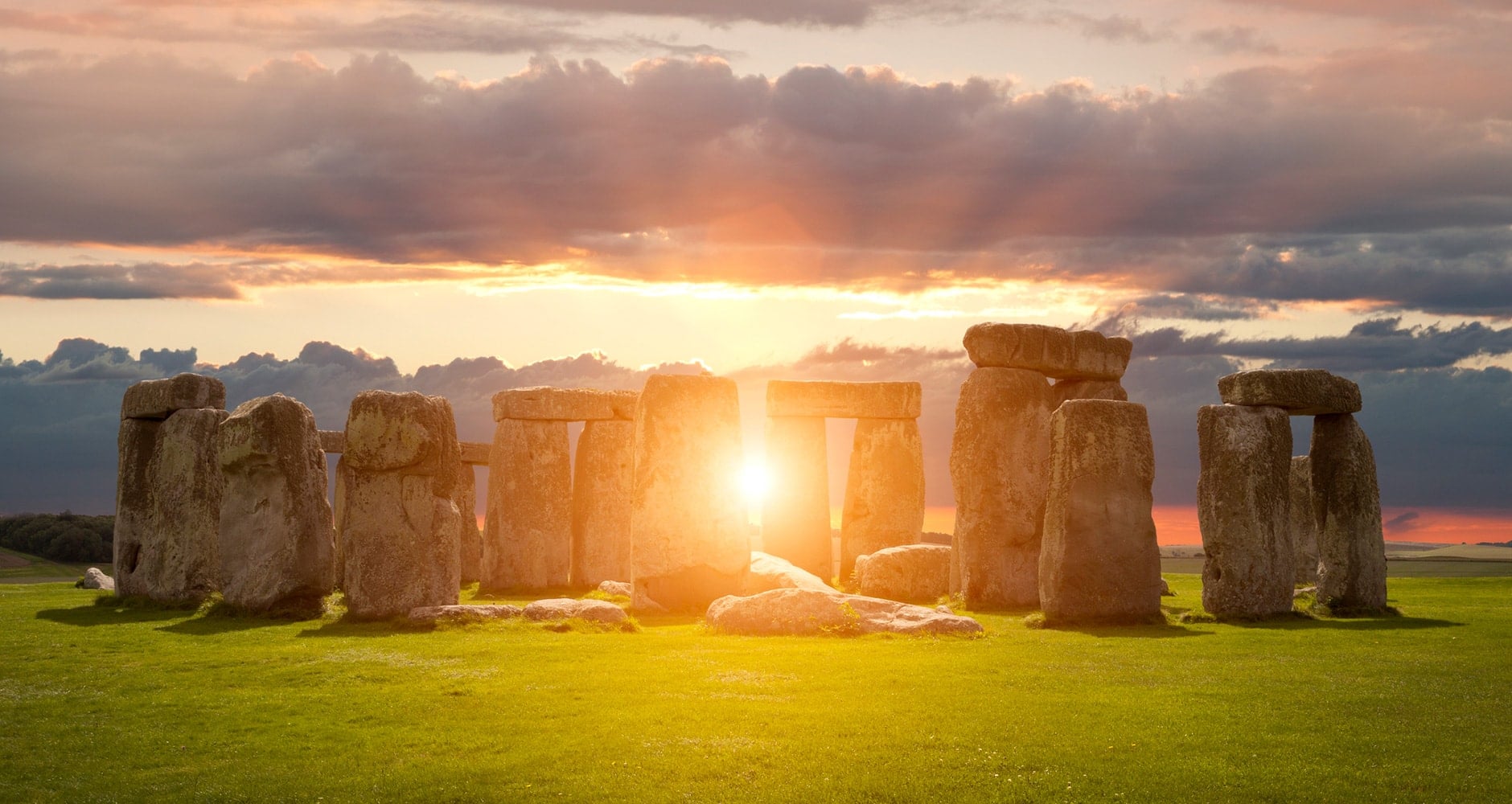
One of the most iconic sites for solstice observation is
Stonehenge in England, where ancient megaliths align perfectly with the sunrise on the summer solstice, drawing thousands of modern-day revelers. In Scandinavia and other Northern European countries, the solstice is celebrated as
Midsummer (Midsommar), a festival of joy, feasting, bonfires, dancing around maypoles, and flower crowns. These celebrations often symbolize love, hope, and the magical power of the sun. Pagan traditions, known as
Litha, also honor the solstice with rituals focusing on light, growth, and the sun god's strength. Indigenous cultures across continents also hold deep reverence for this time, often conducting ceremonies, dances, and prayers to honor the sun and the earth's bounty.
Even if you don't have ancient stone circles or maypoles nearby, there are countless ways to celebrate the Summer Solstice 2026:
- Witness the Sunrise or Sunset: Start or end the longest day by observing the sun's journey across the sky from a scenic viewpoint.
- Spend Time in Nature: Hike, picnic, or simply relax outdoors, soaking in the extended daylight and the vibrant summer flora.
- Host a Summer Gathering: Organize a BBQ or a garden party, taking advantage of the long evening hours.
- Reflect and Recharge: Use the energy of the longest day for personal reflection, setting intentions for the season ahead, or simply enjoying a moment of gratitude.
- Light a Bonfire (safely): Emulate ancient traditions by gathering around a fire as the shortest night descends, symbolizing light overcoming darkness.
Making the Most of the First Day Of Summer 2026: Tips and Insights
The
First Day Of Summer 2026 offers unique opportunities to fully embrace the season. One notable aspect of 2026 is the rare overlap of the summer solstice with Father's Day, providing a wonderful chance to combine celebrations. Imagine a Father's Day brunch followed by outdoor activities under the extended daylight, or a special sunset viewing as a family. This dual celebration can make for truly unforgettable memories. For more details on this unique convergence of events, check out
First Day Of Summer 2026: Date, Time, Traditions & Father's Day.
Beyond personal festivities, the summer solstice often ignites enthusiasm for summer travel. With the promise of more daylight, many travelers are opting for destinations that maximize outdoor activities, from national parks to coastal retreats. Emerging travel trends for summer 2026 suggest a focus on sustainable tourism, immersive cultural experiences, and adventure travel that takes full advantage of the extended daytime hours.
Here are some practical tips to make the most of the First Day Of Summer 2026 and the season that follows:
- Prioritize Sun Safety: With more intense and prolonged sunlight, always apply broad-spectrum sunscreen, wear protective clothing, and seek shade during peak hours.
- Stay Hydrated: Increased activity and warmer temperatures mean it's crucial to drink plenty of water throughout the day.
- Plan Evening Activities: Capitalize on the longer evenings for al fresco dining, stargazing, or simply enjoying a leisurely stroll.
- Connect with Your Community: Many local parks and cultural centers host solstice-themed events or general summer kick-off festivities. Check local listings!
- Explore the Night Sky: While it's the shortest night, remember that summer brings its own celestial wonders, including meteor showers later in the season.
Embracing the Season's Peak
The
First Day Of Summer 2026 is far more than just a calendar entry. It's an astronomical marvel, a cultural cornerstone, and a powerful signal for the start of the year's most vibrant season. As Earth completes another segment of its endless journey around the sun, we are gifted with the longest day – a perfect invitation to embrace light, growth, and the joyful spirit of summer. Whether you mark the precise astronomical moment, participate in ancient traditions, or simply savor the extended daylight with loved ones, let the Summer Solstice 2026 be a vibrant beginning to a season filled with warmth, adventure, and cherished memories.