Unveiling the First Day Of Summer 2026: Date, Time, and What It Means
The anticipation for longer days, warmer weather, and outdoor adventures culminates with the arrival of summer. For the Northern Hemisphere, the summer solstice marks this pivotal moment, ushering in the official First Day Of Summer 2026. This year, the celestial event promises a unique blend of astronomical wonder and familial celebration.
The Exact Moment: Sunday, June 21, 2026
Mark your calendars! The First Day Of Summer 2026 falls on Sunday, June 21, 2026. However, it's crucial to remember that the summer solstice isn't an all-day affair. It's a precise astronomical instant when the sun reaches its highest point in the sky relative to Earth’s equator, specifically directly above the Tropic of Cancer.
- Universal Coordinated Time (UTC): The solstice occurs at 8:24 AM UTC on June 21, 2026.
- Eastern Daylight Time (EDT): For those on the U.S. East Coast, this translates to an early start at 4:24 AM EDT.
- Pacific Daylight Time (PDT): On the West Coast, it will be 1:24 AM PDT.
- British Summer Time (BST): In the UK, it's 9:24 AM BST.
- Central European Summer Time (CEST): Across much of mainland Europe, expect it at 10:24 AM CEST.
This precise moment signifies when the Earth's Northern Hemisphere reaches its maximum axial tilt towards the sun, bathing us in the year's longest period of daylight and the shortest night. It's a powerful reminder of our planet's intricate dance around our star.
The Science Behind the Solstice
Why does this happen? The answer lies in Earth's axial tilt. Our planet doesn't spin upright relative to its orbit around the sun; instead, it's tilted at approximately 23.5 degrees. This tilt remains constant as Earth orbits. As we traverse our annual path, different hemispheres are angled more directly towards or away from the sun. The summer solstice is when the Northern Hemisphere experiences its most direct solar alignment. Want to dive deeper into the mechanics? Explore The Science of Summer Solstice 2026: Axial Tilt & Orbital Secrets.
More Than Just a Date: The Astronomical Nuances of Summer 2026
While June 21st often serves as our mental marker for summer, the precise date of the solstice can actually shift slightly. Understanding these astronomical nuances adds another layer of appreciation to the First Day Of Summer 2026.
Why the Solstice Date Can Shift
You might notice the summer solstice sometimes falls on June 20th. This slight variation, typically between June 20th and 21st, is due to the difference between our Gregorian calendar year (365 days) and Earth's actual orbital period around the sun (approximately 365.25 days). The inclusion of a leap day every four years helps to realign our calendar with the astronomical events, preventing a continuous drift. It's a fascinating cosmic bookkeeping system that ensures our seasons remain relatively consistent over time. While rare, the solstice can even fall on June 22nd, though this won't happen again until 2203!
The Longest Season: Astronomical Summer 2026
The First Day Of Summer 2026 kicks off an astronomical season that runs until the autumnal equinox on Tuesday, September 22, 2026. This means astronomical summer in 2026 will span approximately 93 days. Interestingly, astronomical summer in the Northern Hemisphere is actually the longest of the four seasons by several days. This might seem counterintuitive, as Earth is farthest from the sun (at aphelion) during July. However, because Earth travels slightly slower when it's farther away, the Northern Hemisphere spends more time in its "summer tilt" relative to the sun. Meanwhile, in the Southern Hemisphere, their summer solstice occurs around December 21st, marking their longest day of the year.
Observing the Sky and Beyond
The summer solstice is an ideal time to observe the changes in the sky. Though the sun is highest, the "shortest night" means less time for stargazing. However, specific constellations and celestial events are still visible. Exploring phenomena like the analemma—the sun's apparent path in the sky over a year—can offer a deeper connection to these orbital mechanics. As the season progresses, be on the lookout for summer meteor showers and planetary alignments. For a deeper dive into what to expect in the sky, check out our guide on Summer Solstice 2026: Your Guide to the Longest Day and Night.
A Double Celebration: First Day Of Summer 2026 Meets Father's Day
The year 2026 offers a particularly special alignment: the First Day Of Summer 2026 falls precisely on Father's Day! This rare overlap presents a wonderful opportunity to blend the joy of welcoming the sunniest season with heartfelt appreciation for the fathers and father figures in our lives.
Embracing the Dual Festivities
When the longest day of the year coincides with a day dedicated to dads, the potential for unique and memorable celebrations is immense. Instead of choosing between two events, you can create a seamless experience that honors both the astronomical marvel and your loved ones.
- Outdoor Adventures for Dad: Leverage the extended daylight hours! Plan a morning hike, a fishing trip, a round of golf, or a family bike ride. Pack a picnic lunch to enjoy under the summer sun.
- Solstice-Inspired BBQ: Fire up the grill for a classic Father's Day barbecue, but add a solstice twist. Decorate with bright, summery colors, use fresh seasonal produce, and perhaps light a small, safe bonfire or gather around a fire pit as the sun sets, symbolizing the ancient tradition of celebrating light.
- Garden or Home Project: If Dad enjoys hands-on activities, a summer solstice Father's Day is perfect for starting a garden project together, building something for the yard, or tackling an outdoor improvement project. The long daylight provides ample time.
- Relaxation and Reflection: Encourage Dad to simply enjoy the day. A hammock under a tree, a good book, and a refreshing beverage can be the perfect way to soak in the summer's first day and acknowledge his contributions.
This rare dual celebration offers a chance to create new traditions, making Father's Day 2026 an unforgettable start to the summer season.
Global Traditions and Modern Celebrations of the Longest Day
The arrival of the summer solstice has been a cause for celebration across cultures and civilizations for millennia. The First Day Of Summer 2026 continues this rich tapestry of traditions, blending ancient reverence with modern revelry.
Ancient Roots and Cultural Reverence
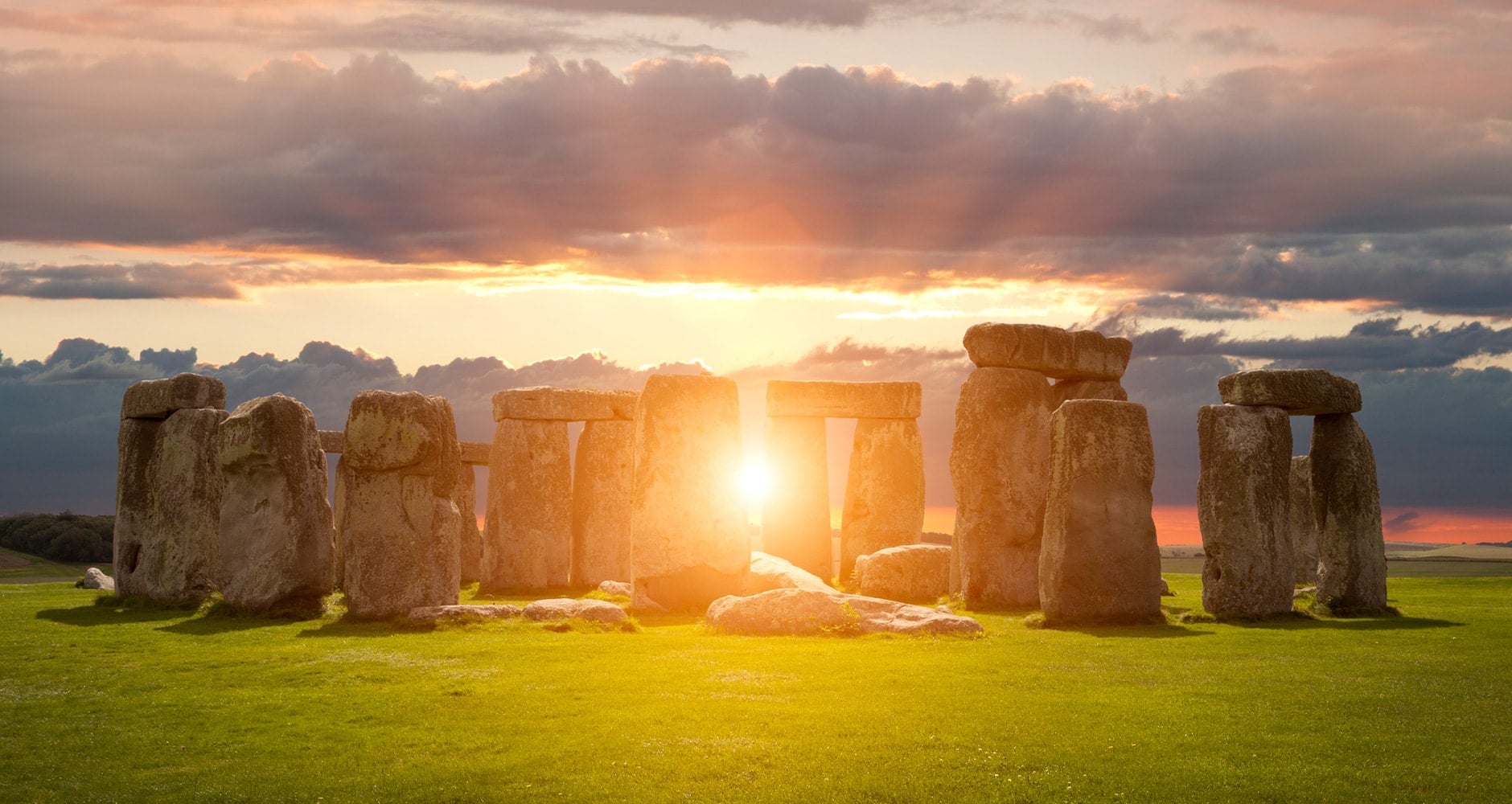
Historically, the summer solstice has been seen as a time of fertility, abundance, and the triumph of light over darkness. Many ancient structures, like Stonehenge in England, are precisely aligned to capture the sunrise on the solstice, demonstrating its profound importance to early peoples.
- Midsummer Festivals: In Nordic and Baltic countries, Midsummer (often St. John's Day) is a major holiday, celebrated with bonfires, dancing around maypoles, flower crowns, and feasts. It's a time for community, magic, and revelry under the "white nights."
- Indigenous Traditions: Many indigenous communities worldwide observe the solstice with ceremonies, dances, and rituals that honor the sun, the Earth, and the interconnectedness of all life. These often focus on renewal, harvest, and spiritual well-being.
- Litha: For modern pagans and Wiccans, Litha is a celebration of the sun god, fertility, and the full power of summer. Rituals often involve fire, feasting, and honoring nature.
These traditions remind us that the First Day Of Summer 2026 is not just an astronomical fact but a deeply ingrained cultural experience.
Modern Ways to Embrace the Longest Day
Today, people find countless ways to celebrate the onset of summer, whether grand or simple:
- Sunrise or Sunset Viewing: Witnessing the longest sunrise or sunset can be a powerful and reflective way to acknowledge the solstice. Find a spot with an unobstructed view and soak in the golden hour.
- Outdoor Feasts and Gatherings: Picnics, barbecues, and outdoor dinner parties are perfect for utilizing the extended daylight. Share good food and company with friends and family.
- Nature Connection: Go hiking, spend time at the beach, tend to a garden, or simply sit outside and appreciate the vibrant life around you. The solstice is an ideal time to reconnect with the natural world.
- Creative Pursuits: Inspired by the light and energy, many use this day for artistic expression, writing, or starting new creative projects.
Emerging Summer Travel Trends for 2026
As we look forward to the First Day Of Summer 2026, several travel trends are likely to shape our vacation plans:
- Sustainable & Eco-Tourism: A growing desire for responsible travel will lead to more interest in eco-lodges, carbon-offsetting options, and destinations focused on conservation.
- Experiential Travel: Beyond typical sightseeing, travelers will seek immersive experiences—local cooking classes, cultural workshops, or adventure sports that connect them deeply with a place.
- Digital Detox & Wellness Retreats: With increasing digital fatigue, many will opt for getaways focused on disconnecting, mindfulness, and personal well-being.
- "Bleisure" Trips: Blending business and leisure travel will continue, with people extending work trips to explore new destinations.
- Domestic & Local Explorations: Rediscovering local gems, national parks, and nearby attractions remains popular, offering convenience and reducing travel complexities.
Conclusion
The First Day Of Summer 2026, Sunday, June 21st, is far more than just a date on the calendar. It's a precise astronomical moment, a scientific marvel, and a powerful cultural touchstone. From ancient traditions celebrating light and fertility to modern outdoor festivities and a rare overlap with Father's Day, this longest day invites us all to pause, appreciate, and embrace the vibrant energy of the season. As the sun reaches its zenith, let us open our hearts to the warmth, growth, and joy that summer promises to bring.